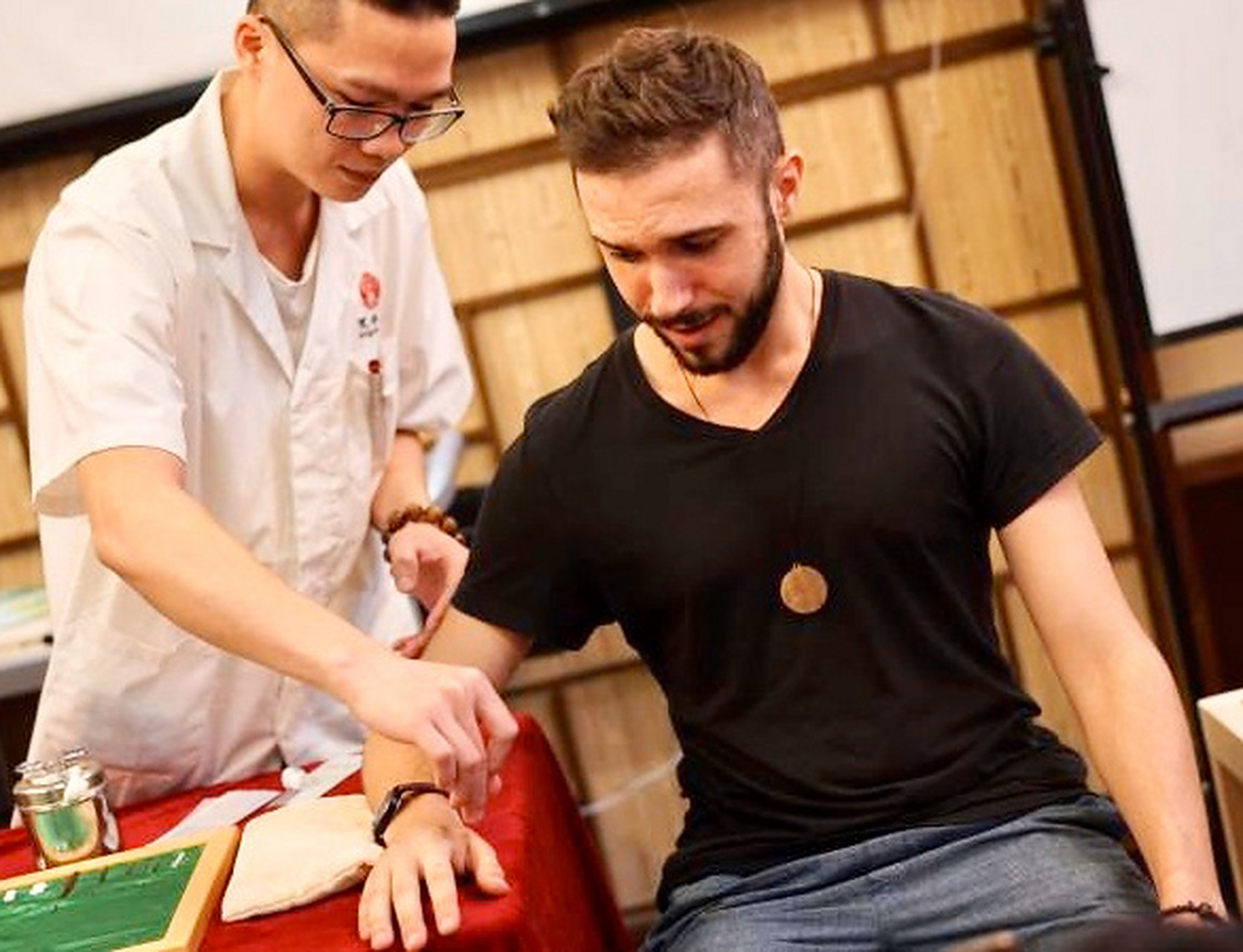
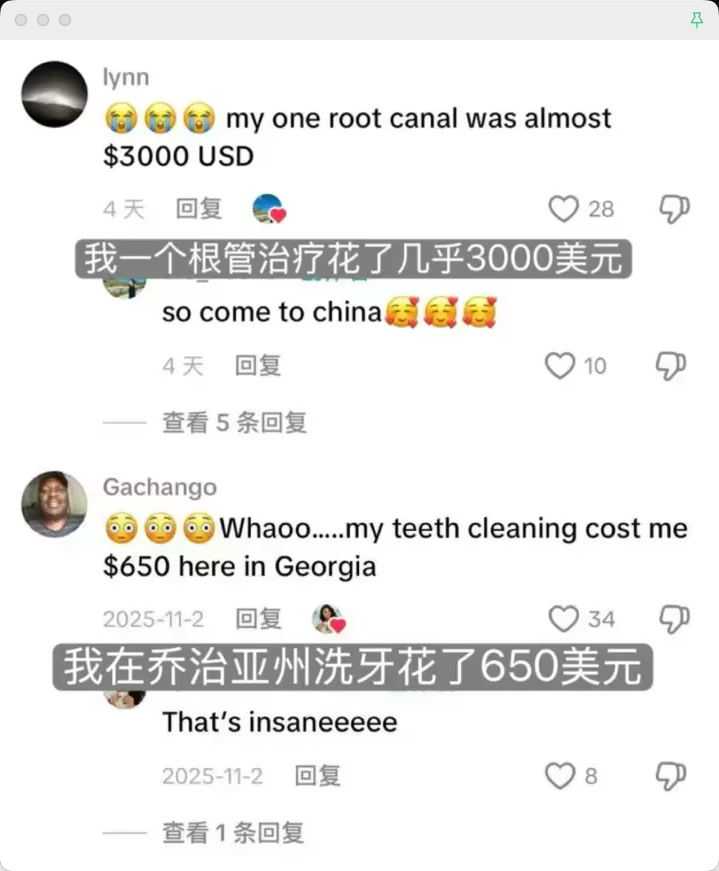
Recently, an interesting trend has emerged among overseas vloggers. Beyond showcasing high-speed rail and street food, they are now sharing their experiences seeking healthcare in China. From dental clinics to comprehensive health check-ups, these videos often express surprise and satisfaction. This is not just a coincidence; it reflects a growing trend of international patients voting with their feet.
The Golden Triangle: Efficiency, Cost, and Quality
Why are foreigners choosing to travel to China for medical treatment? The primary reason is a stark contrast in efficiency. In many Western public healthcare systems, waiting weeks or even months for a non-emergency specialist appointment is common. Conversely, Chinese hospitals offer a much faster workflow for registration, testing, and diagnosis.

Furthermore, cost plays a crucial role. Dental care, for example, is notoriously expensive in countries like the US or the UK. In China, even high-end clinics provide equivalent treatments at a significantly lower cost after currency conversion. This offers highly competitive value in the global medical market.
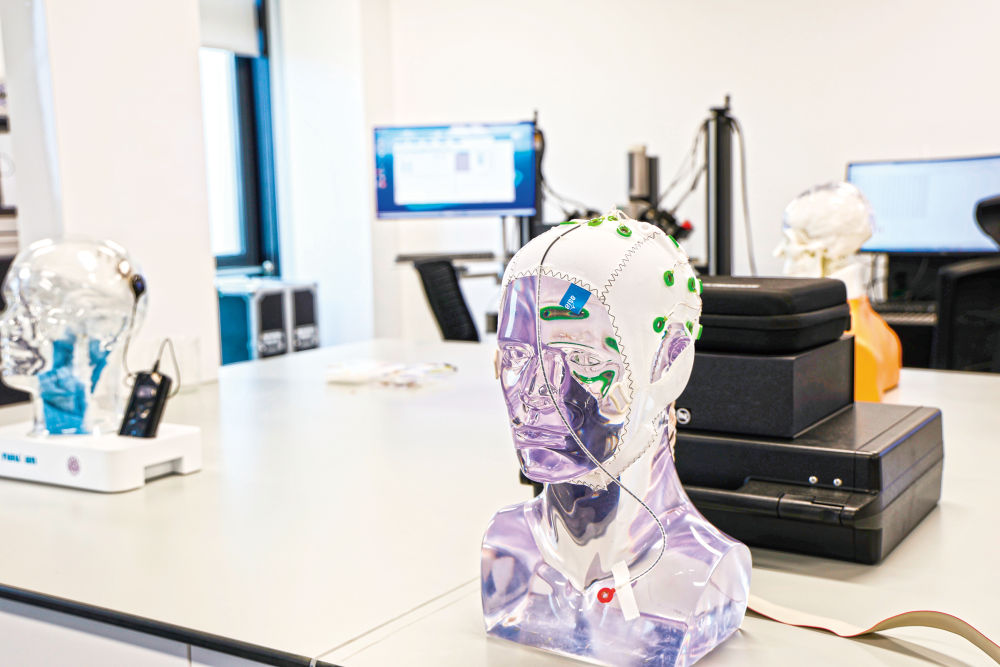
Most importantly, the quality of healthcare in China has reached impressive standards. Top-tier hospitals in major cities like Beijing and Shanghai are equipped with state-of-the-art technology. Chinese medical professionals have accumulated vast experience in complex fields such as oncology and reproductive medicine. For international patients, China presents a unique equilibrium between speed, affordability, and quality. To learn more about these services, you can view our International Medical Services.
Addressing the Resource Concern
When locals see foreigners seeking treatment, a natural concern arises: Will this drain domestic medical resources? The answer is generally no.
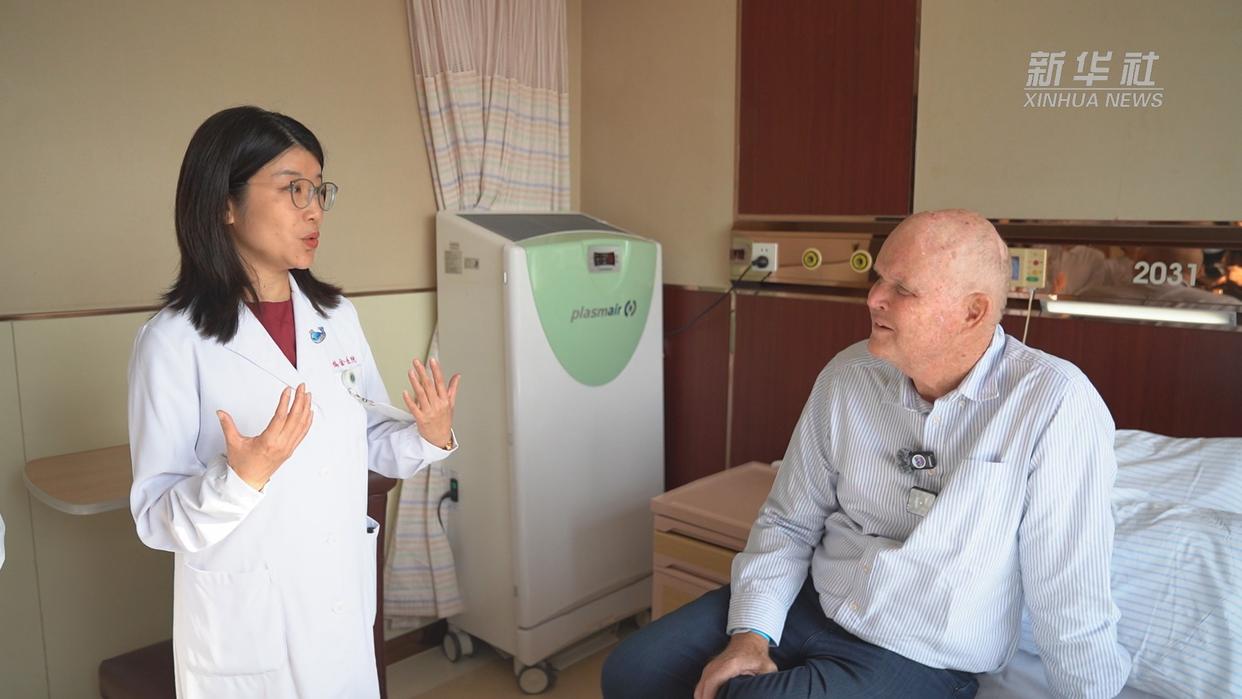
Currently, the vast majority of international patients are treated in International Medical Departments (IMDs) or VIP clinics within hospitals. Specifically, these departments operate independently.Foreign patients do not use local public health insurance; they pay out-of-pocket at different price points. This operates as a market-driven service that meets specific demands.
Moreover, the revenue generated from these services benefits the entire hospital ecosystem. Funds can be reinvested into upgrading medical equipment, improving overall hospital environments, or funding research. However, hospital management must remain vigilant to ensure that top-tier doctors prioritize critically ill local patients.
A Mirror and an Opportunity
Rather than simply celebrating this trend or rejecting it, we should view it objectively. The appeal of healthcare in China highlights the strengths of our system, particularly its high accessibility and efficiency. These achievements stem from massive public investment and the dedication of medical staff.
Additionally, this influx of international patients presents a valuable opportunity to refine our healthcare services. Catering to global standards can drive improvements that benefit everyone. For instance, hospitals can enhance multilingual support, streamline international insurance claim processes, and strengthen patient privacy measures. According to global standards set by the World Health Organization , integrating international best practices is key to building resilient health systems.
Conclusion
Ultimately, the choices of foreign patients act as a mirror. They reflect the shining aspects of our medical system while highlighting areas that need polishing. The real value lies not in debating whether foreigners should come, but in how we build a more resilient system.
When Chinese hospitals can efficiently handle daily diagnostics while professionally serving diverse international needs, the current “hype” will solidify into genuine strength. This evolution will represent not just a leap in medical technology, but a refinement of overall social management capabilities. For those considering a trip, exploring healthcare in China might just be the next big trend.