【Written by Deng Jun, Guancha.cn; Edited by Zhao Qiankun】
As major hospitals in China’s leading cities continue to treat a growing number of international patients, medical tourism in China is rapidly becoming a key part of the country’s inbound consumption ecosystem.
Recently, a story went viral on social media about a foreign blogger who traveled to China for treatment after facing excessively long wait times in their home country. This sparked widespread discussion, with some predicting:
“By 2026, the most popular way to visit China may be through medical tourism combined with travel.”
A New Trend: “Treatment + Travel”
Historically, foreign tourists visited China to explore landmarks such as the Forbidden City, stroll along the Bund, or experience local cuisine.
Today, however, a growing number of visitors are arriving specifically for medical treatment, often heading directly to hospitals shortly after landing.
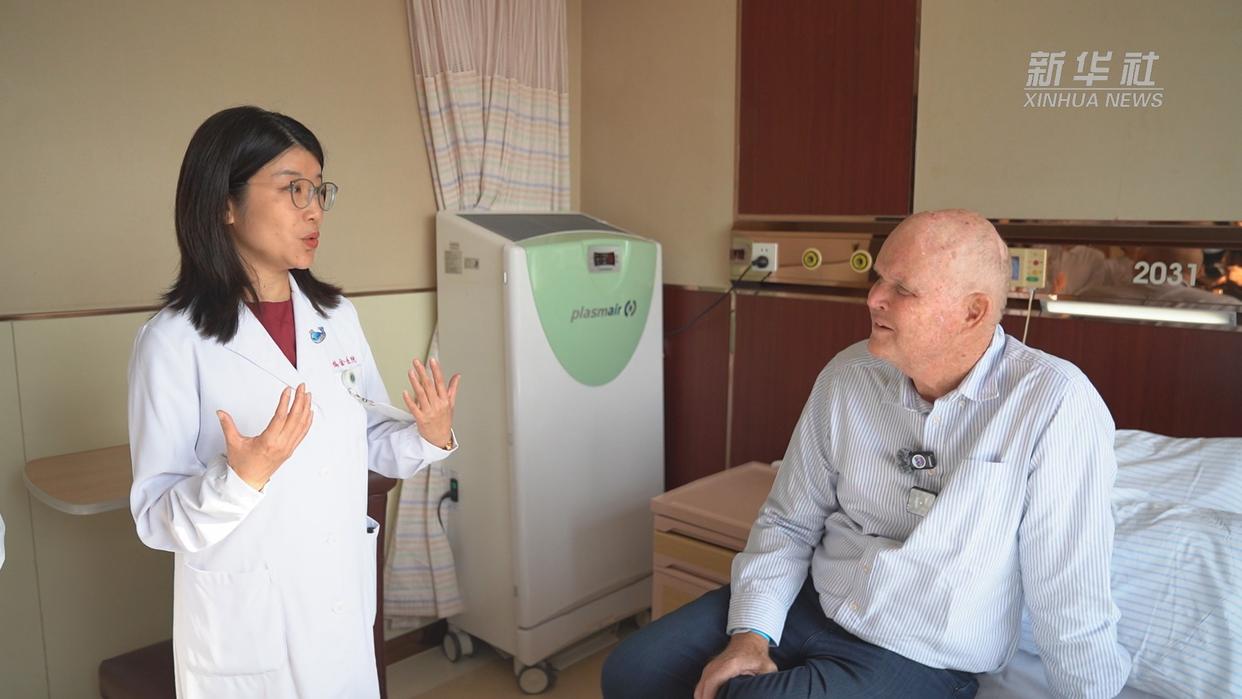
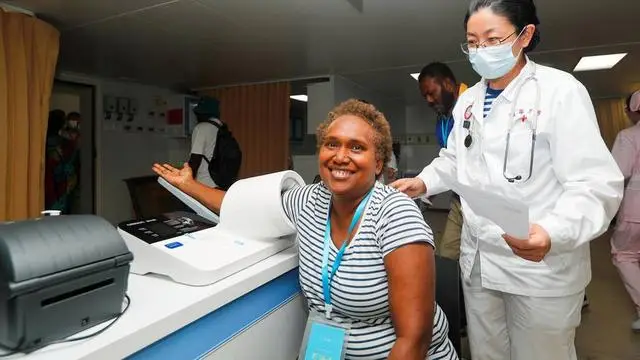
It is now common to see international patients registering with passports at top-tier hospitals in Beijing, Traditional Chinese Medicine (TCM) hospitals in Guangdong, and international medical centers in Shanghai.
Real Stories: Efficiency and Cost Savings
Foreign bloggers are increasingly sharing firsthand experiences that challenge the assumption that developed countries always provide better healthcare:
- UK Experience:
“In the UK, I was told to wait 26 weeks for an MRI and 8 weeks for an X-ray. In China, everything was completed the same day, including the report.” - Cost Advantage:
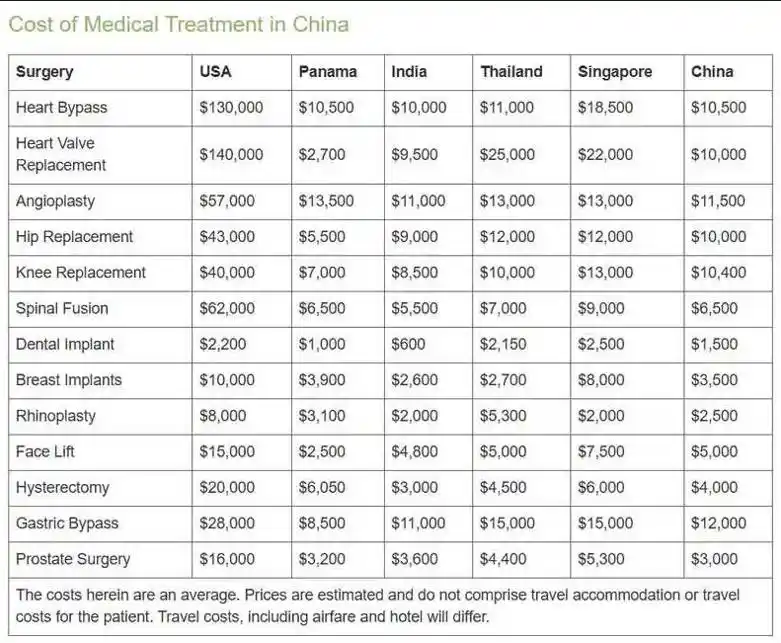
A South African blogger reported paying just 486 RMB (around $67 USD) for an MRI in Yunnan—compared to several thousand dollars in the United States. - Fast Treatment:
A South Korean patient shared:
“After three years of unsuccessful treatment in Korea, my wrist condition was resolved in China in just 30 seconds at a fraction of the cost.”
How much does medical treatment cost in China?
Why Foreigners Are Choosing China for Healthcare
Several key factors are driving the growth of medical tourism in China:
- Convenient Entry Policies:
Visa-free policies make it easier than ever to travel to China for treatment. - High Efficiency:
Many hospitals offer same-day diagnostics and fast treatment timelines. - Affordable Costs:
Medical procedures in China are often significantly cheaper than in Western countries. - International Patient Services:
Translation support, dedicated international departments, and streamlined processes improve the overall experience.
Featured Medical Tourism Destinations in China
Different regions in China are developing specialized medical tourism products:
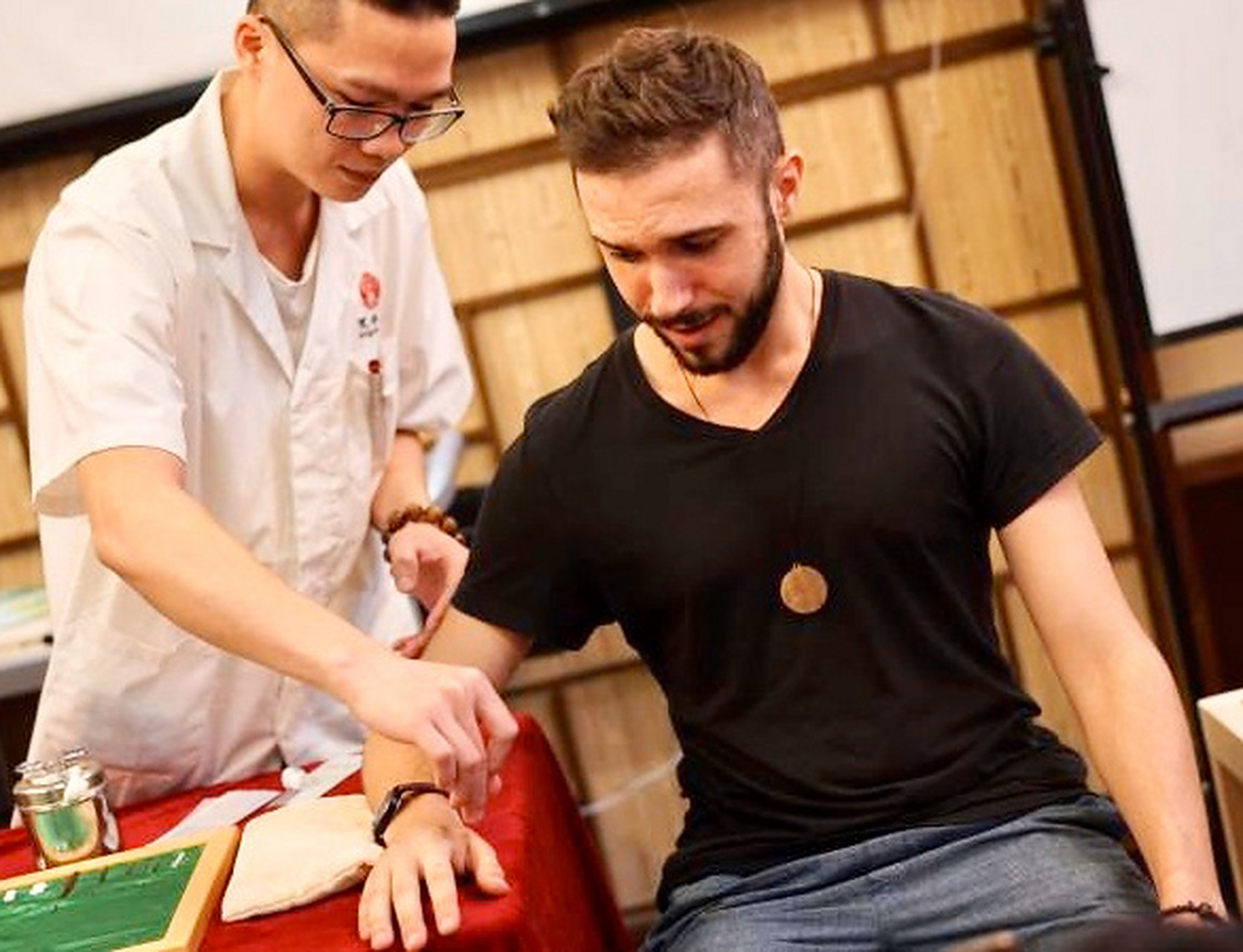
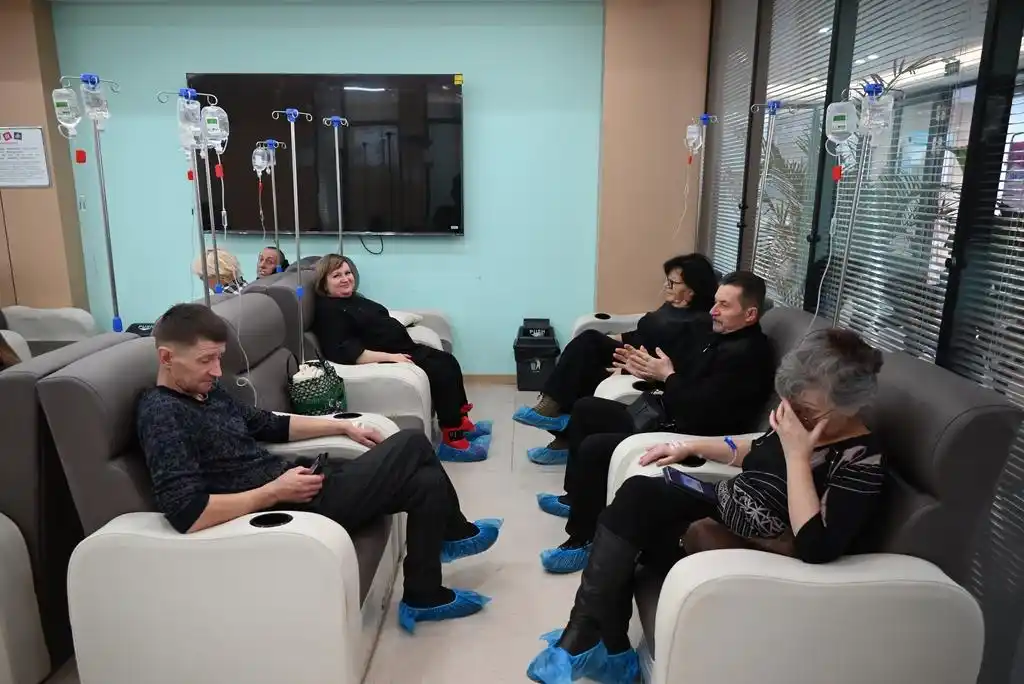
- Hunchun, Jilin Province: Targeting Russian tourists, this city offers “TCM + Wellness + Vacation”packages. The Hunchun Hospital of Traditional Chinese Medicine sees a large daily influx of Russian patients, providing full translation support from registration to check-ups. Families often come together, combining health recuperation with leisure.
- Boao Lecheng, Hainan Province: This pilot zone focuses on advanced and specially approved medical treatments, health management, rehabilitation, and medical aesthetics.s to become a world-class medical tourism destination by 2030.
Data and Growth: A Booming Market
According to the 2024 China International Medical Service Industry Report, more than 850 medical institutions across 57 cities in China now offer services for international patients.
Data from China’s National Health Commission shows that:
Patient sources are expanding beyond Europe and the U.S. to Southeast Asia, the Middle East, and Latin America
1.28 million international patient visits were recorded in 2025
This represents a 73.6% increase over three years
Addressing Concerns: Quality and Resources
Experts emphasize that the growth of international medical services does not compromise access for local patients.
In fact, revenue generated from international departments can help improve hospital operations, service quality, and overall healthcare capacity.
Challenges and Future Outlook
Despite strong growth, several challenges remain:
- Industry Integration:
Tourism and healthcare sectors still operate separately in many regions. - TCM Globalization:
While TCM is a unique advantage, better communication and product design are needed to attract international patients. - Visa Duration Limits:
Some treatments require longer recovery periods, which may exceed current visa-free stay durations.
Conclusion
China offers clear advantages in medical tourism, including high efficiency, advanced medical expertise, and cost-effective treatment options.
As the industry continues to evolve, stronger policy support and system integration will be essential.
For international patients, the message is clear:
medical tourism in China is becoming one of the most practical and attractive healthcare options worldwide.
Planning a medical trip to China? Contact us to get personalized guidance on hospitals, treatment options, and visa policies.