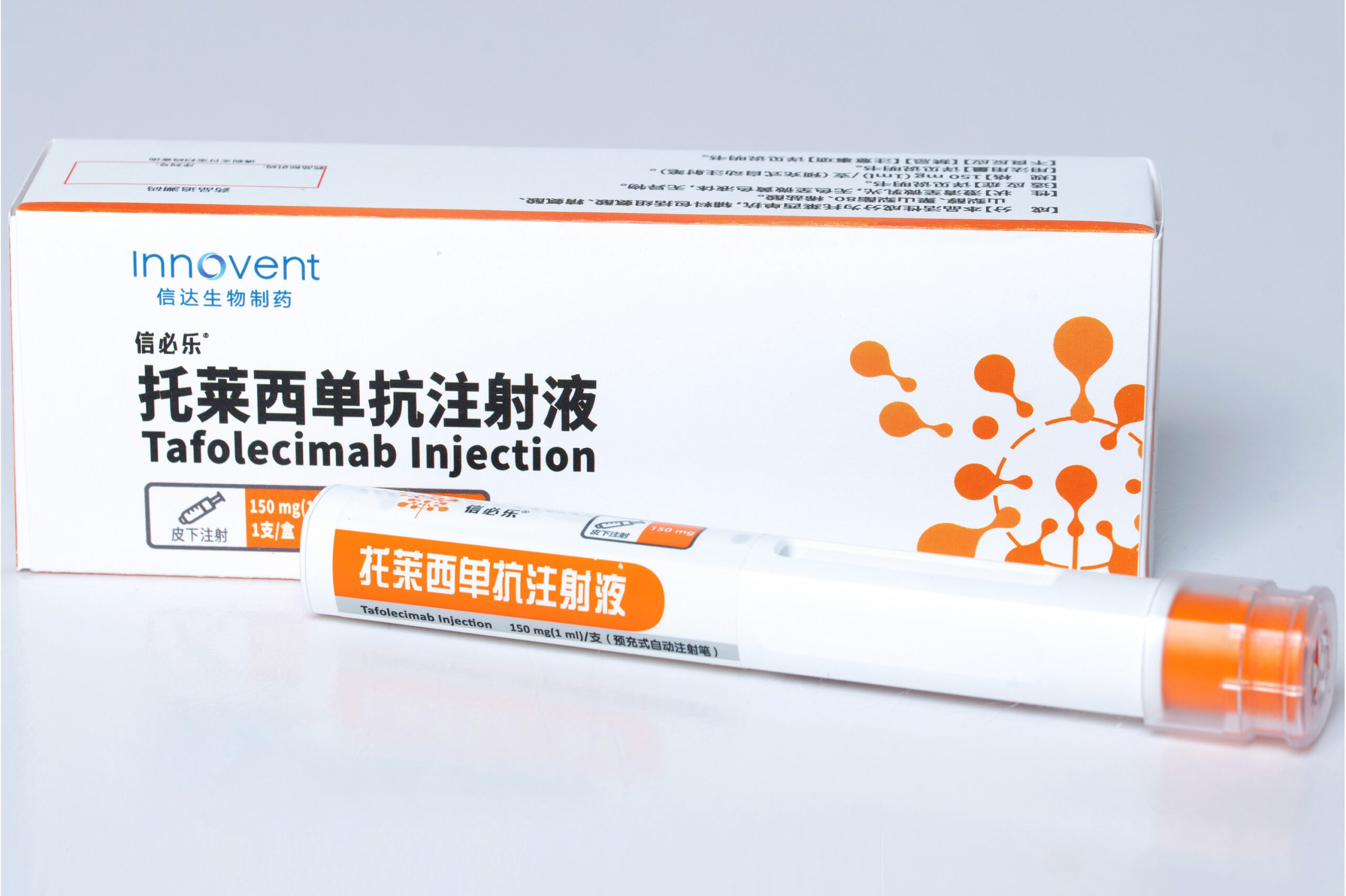
As spring brings fluctuating temperatures, the incidence of cardiovascular diseases rises. However, the automatic injection pen offers new hope for managing high cholesterol, a major risk factor. Latest data reveals that cardiovascular patients in China have reached 330 million.
Notably, deaths from these diseases far exceed those from cancer, accounting for nearly 50% of total resident deaths. High cholesterol, often called the “invisible killer,” is a major culprit. Statistics show that out of 100 deaths from coronary heart disease, 77 are related to dyslipidemia.
Challenges in High Cholesterol Treatment
However, the treatment success rate for high cholesterol in China has long remained low. This represents a significant pain point in cardiovascular health management. A recent monitoring project covering 276,000 residents across 31 provinces showed a dyslipidemia prevalence rate of 38.1%. Yet, the disease control rate stands at merely 4.8%. Poor patient compliance is a primary reason for this gap. A survey in Beijing indicated that after three months, the discontinuation rate for statins was 40.4%.
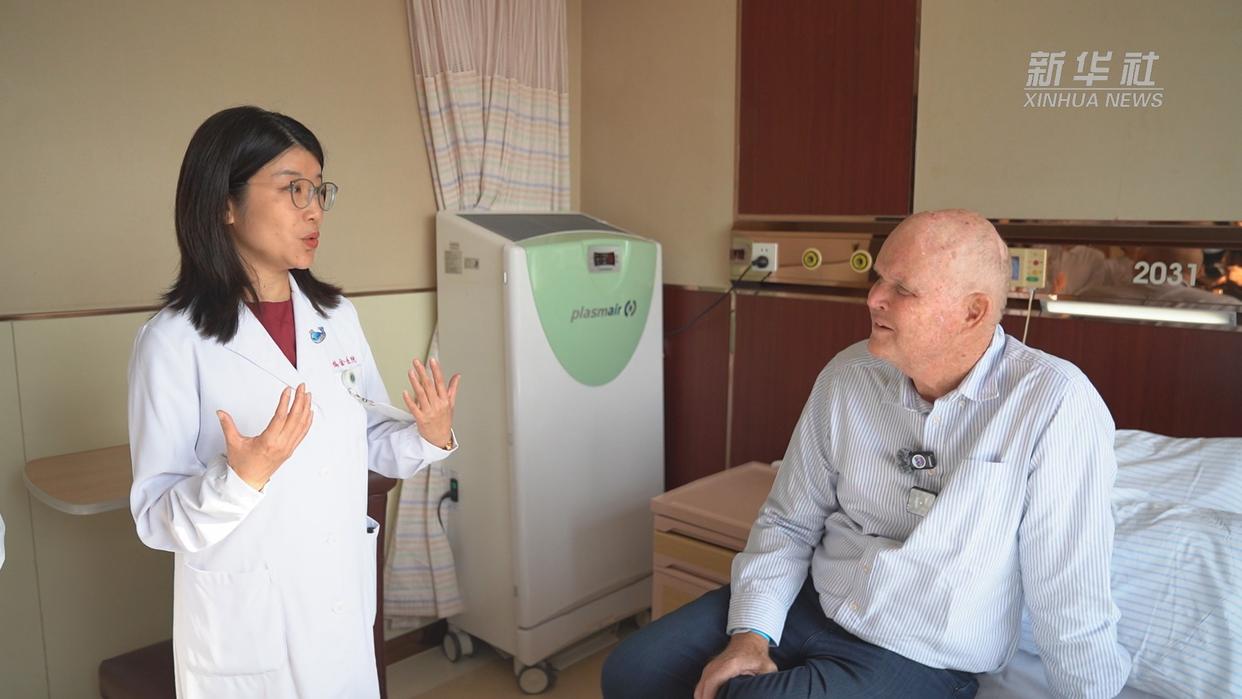
Professor Jin Pengfei, Director of the Pharmacy Department at Beijing Hospital, explains that the reasons for interrupting treatment are complex. Furthermore, aside from psychological factors like insufficient disease awareness, complex dosing schedules also play a critical role.
Innovation: The Automatic Injection Pen
Fortunately, domestic innovation has provided new solutions. The emergence of PCSK9 inhibitors, such as Tocilizumab, offers hope for patients who cannot achieve lipid-lowering goals with traditional drugs. Specifically, the automatic injection pen delivery method is a game-changer.
Traditional powder injections require complex steps: opening vials, extracting solvents, mixing, and injecting. In contrast, the automatic injection pen eliminates these professional barriers. It reduces error rates and is perfectly suited for home health management.
Proven Advantages in Chronic Disease Management
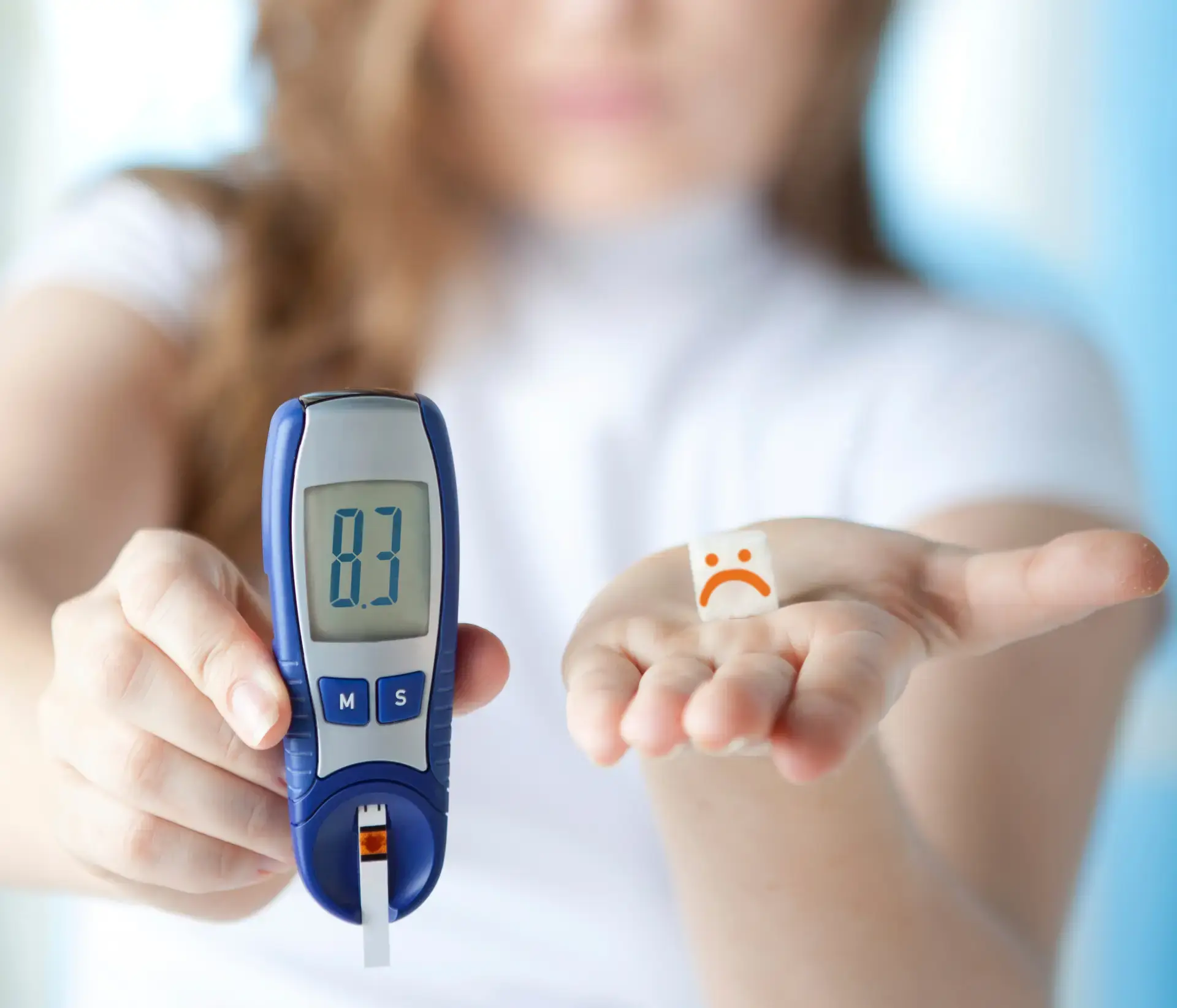
For instance, the widespread adoption of insulin pens among diabetic patients proves the value of this technology. Compared to traditional vials and syringes, pens offer convenience, precise dosing, and better privacy. In the US, usage jumped from 15% in 2008 to 60% in 2011. Moreover, data from Europe shows that 93.6% of patients use insulin pens. According to the World Health Organization , improving accessibility is key to managing chronic conditions.
Improving Accessibility and Compliance
The combination of an automatic injection pen and long-acting PCSK9 inhibitors allows patients to inject easily at home. With dosing intervals of 2, 4, or even 6 weeks, patients no longer need to travel frequently to hospitals. This offers a new solution for cracking the compliance puzzle.
Currently, three domestic PCSK9 inhibitors using auto-injectors are available: Tocilizumab, Ongoribizumab, and Inuximab. Patients can perform subcutaneous injections independently after simple guidance. Crucially, these domestic lipid-lowering injections have been included in the national medical insurance catalog. This significantly reduces the financial burden and improves accessibility.
From “hard to persist” to “easy to use,” and from “unaffordable” to “reimbursable,” the popularity of the automatic injection pen addresses core pain points. With strong efficacy, convenience, and affordability, the rate of standardized treatment for high cholesterol is expected to rise steadily.
[Editor in charge: Zhang Yue]